
Online Reputation Management: How to Build Trust in Your Brand
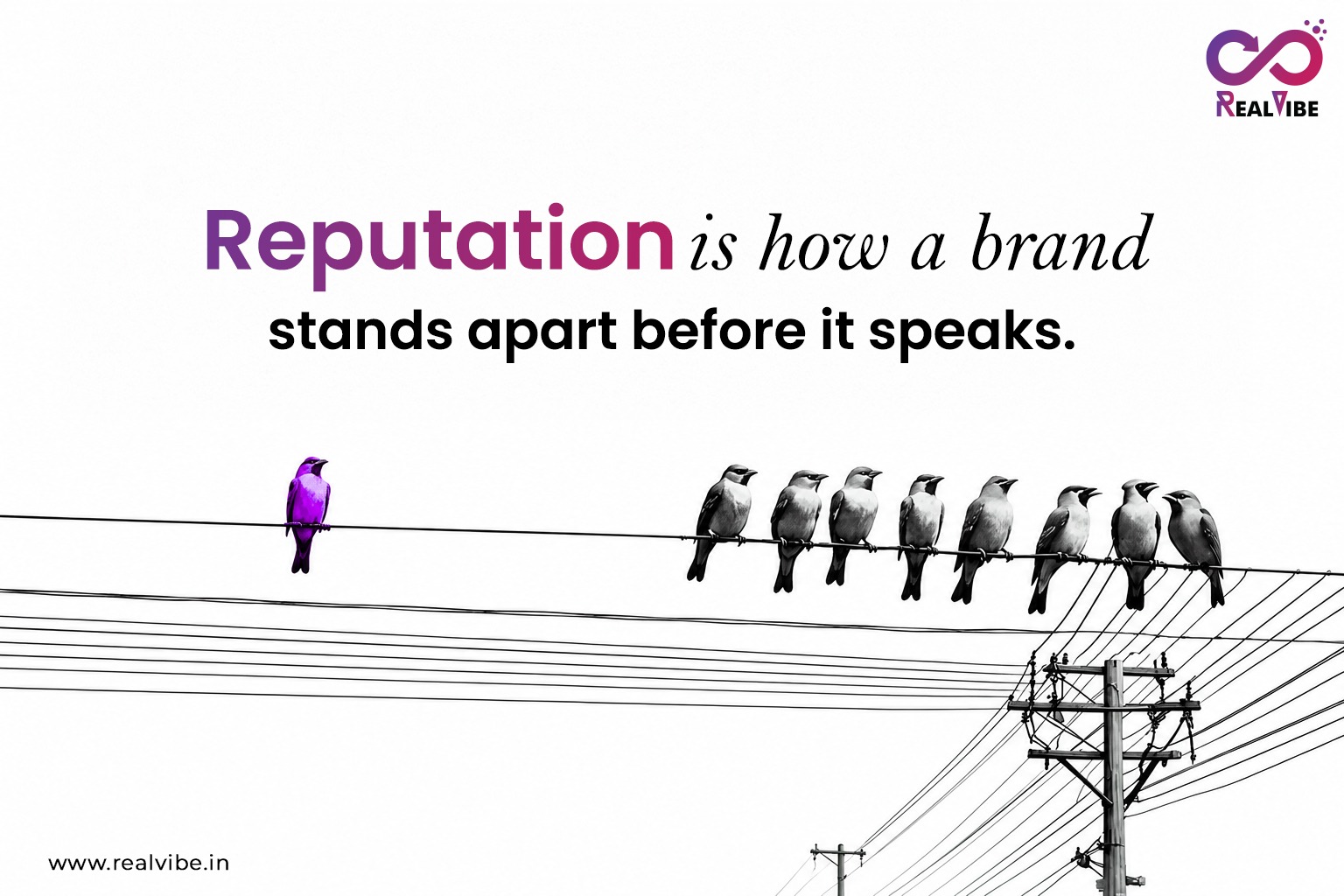
Before anyone calls you, visits your office or fills your enquiry form, they have already looked you up.
They have read your Google reviews. They have seen what shows up on page one when they search your brand name. Maybe they have scrolled through a Reddit thread or a complaint post on X. By the time they reach you, a decision about whether to trust you is already half made.
That is whatonline reputation management is really about. Not hiding bad reviews or flooding the internet with praise, but making sure that what people find about your brand is accurate, current and worth trusting.
Here is how it works, and how to do it properly.
1. What Online Reputation Management Actually Means Today
Online reputation management (ORM) is the ongoing work of monitoring, shaping and protecting how your brand appears across the internet.
A few years ago, ORM mostly meant reacting to a bad review. Today it is broader. Your reputation is built from dozens of small signals: a star rating, a reply to a complaint, a news mention, a founder’s LinkedIn post, an employee review on Glassdoor, or even what an AI assistant says when someone asks about you.
Good brand reputation management treats all of these as one connected picture. Fix one and ignore the rest, and the gaps still show.
2. Know Where Your Reputation Is Being Decided
Most brands only check one or two places. But trust is formed across several touchpoints, and each one needs attention:
• Google Search results: The first page for your brand name is your real homepage for most people.
• Google Business Profile: Star rating, review count, photos and how quickly you reply.
• Review platforms: Industry-specific sites like Practo for clinics, Zomato for restaurants, and 99acres and MagicBricks for property searches.
• Social media: Comments, tags, DMs and posts where people mention you without tagging you.
• Forums and communities: Reddit, Quora and local WhatsApp or Facebook groups.
• Employer platforms: Glassdoor and AmbitionBox shape how clients see you too, not just job seekers.
• AI answers: Tools like ChatGPT, Gemini and Google AI Overviews now summarise what the web says about you.
The first step of any online brand monitoring plan is simple: map where your brand is being discussed, then decide which of those places matter most for your business.
3. Reviews Are Not Just Ratings; They Are Conversations
Online review management is where most reputation is won or lost, and the rating itself is only half of it. People read how you respond.
A one-star review with a calm, specific reply often builds more trust than a page of five-star reviews with no replies at all. It shows a real business is listening.
What works:
• Reply to every review, positive and negative, ideally within 24 to 48 hours.
• Be specific, not scripted. “Thank you for your feedback” copied fifty times reads as nobody listening.
• Take serious issues offline. Acknowledge publicly, then share a direct contact to resolve it.
• Ask happy customers to review. Most satisfied customers never write a review unless they are asked. A simple post-purchase message or QR code at the point of service can help.
• Never buy or fake reviews. Google and most platforms detect and remove them, and they can penalise your listing. Once customers spot fakes, the damage is worse than any bad review.
Google review management done consistently is one of the fastest ways to improve how your brand looks at the moment someone is ready to decide.
4. Own the First Page of Your Brand Search
Search your brand name in an incognito window. Whatever appears on that first page is what a new customer sees first.
If an old complaint, an outdated news story or a competitor’s comparison page sits there, it is shaping opinions every single day. Reputation repair here is less about deleting and more about outranking:
• Strengthen what you own. A well-optimised website, About page, Google Business Profile and active LinkedIn, YouTube and Instagram pages tend to rank for your brand name.
• Earn credible coverage. Interviews, guest articles, industry features and PR mentions give search engines trustworthy pages to show.
• Answer the questions people search. Pages and FAQs covering “is [brand] genuine”, “[brand] reviews” or “[brand] complaints” let you address concerns in your own words.
• Request removal only where it is valid. Content that is defamatory, fake or breaks platform policies can be reported and, in some cases, removed. Genuine criticism usually cannot, and should be answered instead.
This is where ORM and SEO work hand in hand. Strong SEO makes sure the right story ranks.
One newer layer: AI search tools pull from the same sources. Clear, consistent information about your brand across trusted sites improves what those AI answers say too.
5. Listen Before You Need to Respond
Most reputation problems do not start big. They start as one unhappy post that nobody noticed for three days.
Social listening means tracking mentions of your brand, products, founders and key campaigns across social media, news and forums, including the ones where you are not tagged. It gives you time to respond while an issue is still small.
And when something does go wrong, a clear crisis communication plan keeps the response calm:
1. Acknowledge quickly. Silence is read as guilt or indifference. A short holding statement buys time.
2. Get the facts right. Check internally before making promises in public.
3. Respond in one voice. Agree on who speaks and what is said across every channel.
4. Show what you are fixing. People forgive mistakes faster than they forgive excuses.
5. Follow up. Close the loop publicly once the issue is resolved.
Brands that have this plan ready before a crisis recover faster than brands that write it during one.
6. What Professional Online Reputation Management Services Include
You can do some of this in-house. But as a brand grows, the volume of reviews, mentions and platforms grows faster than any one person can track. That is where online reputation management services come in.
A complete ORM service usually covers:
| Service | What It Does for Your Brand |
|---|---|
| Brand monitoring and social listening | Tracks mentions across search, social, news, forums and review sites. |
| Online review management | Replies to reviews, builds review-request systems and flags fake reviews. |
| Search result management | Strengthens owned and earned pages so accurate content ranks for your name. |
| Content and PR | Publishes credible articles, features and profiles that build authority. |
| Crisis management | Prepares response plans and handles live issues as they happen. |
| Reporting | Shows sentiment, rating trends and search visibility month on month. |
How to Choose the Right Reputation Management Agency
Ask a few direct questions before you sign:
• Do they promise to delete negative reviews? If yes, walk away. Ethical ORM agencies can report policy-violating content, but no one can guarantee removal of genuine reviews.
• Do they understand your industry? Reputation works differently for a hospital, a property developer and a restaurant.
• Do they connect ORM with SEO, social and PR? Reputation does not live in one channel, so it cannot be managed from one.
• What will they report on? Look for clear metrics, not vague “visibility” claims.
For brands in Delhi NCR, working with an ORM agency in Gurgaonthat already handles your social media and branding keeps the message consistent everywhere.
7. How to Know Your Reputation Is Improving
Reputation feels abstract, but it can be measured. Track these every month:
• Average star rating and total review count on Google and key platforms.
• Average response time to reviews and comments.
• Share of positive, neutral and negative mentions (sentiment).
• How many first-page results for your brand name you own or control.
• Branded search volume, a sign that more people know and look for you.
• Enquiry quality, since trust usually shows up as better, warmer leads.
If these move in the right direction, trust is building, even before customers say it out loud.
Final Thought
Trust is not built by a single campaign. It is built in small moments: a thoughtful reply, an honest correction, a search result that tells the right story.
Online reputation management is simply the discipline of making sure those moments add up. Brands that treat it as ongoing work, not damage control, are the ones people choose without second-guessing.
Want to know what people find when they search for your brand? Talk to the RealVibe team for an online reputation audit and a clear plan to build trust where it matters.
About RealVibe
RealVibe Digital Media is a Gurgaon-based digital marketing agency and a Meta and Google partner. We help brands grow and earn trust online through SEO, social media marketing, PPC and paid ads, web development, branding and video production.
Our team has worked with leading names in property and beyond, including Emaar, Omaxe, Signature Global, Central Park and Trevoc. For online reputation management, we bring SEO, social and content together so your brand tells one consistent, credible story wherever people look.
Visit us at 303, 3rd Floor, JMD Galleria, Sector 48, Gurgaon. Write to care@realvibe.in, or call +91 98112 38092. Start a project.
Frequently Asked Questions
1. What Are Online Reputation Management Services?
Online reputation management services help a brand monitor, improve and protect what people see about it online. This covers reviews, search results, social media mentions, news coverage and how the brand responds to feedback.
2. Why Is Online Reputation Management Important for Businesses?
Most customers research a brand online before contacting it. Ratings, reviews and the first page of search results shape their first impression, so a weak or neglected reputation costs enquiries before you even get a chance to speak to them.
3. How Long Does Online Reputation Management Take to Show Results?
Review response and profile improvements can show results within weeks. Changing what ranks on the first page of Google, or recovering from a serious issue, usually takes several months of consistent work.
4. Can Negative Reviews Be Removed from Google?
Only reviews that break Google’s policies, such as fake, spam, abusive or conflict-of-interest reviews, can be reported for removal. Genuine negative reviews stay, so the right approach is a timely, professional reply and more reviews from satisfied customers.
5. How Much Do ORM Services Cost in India?
Cost depends on scope: the number of platforms monitored, review volume, content and PR needs, and whether there is an active crisis. A good ORM agency should give you a clear scope and reporting plan before quoting.
6. What Is the Difference Between ORM and PR?
PR focuses on earning positive media coverage and shaping a brand’s public story. ORM is broader and ongoing, covering reviews, search results, social mentions and responses, with PR as one of its tools.
7. How Should a Business Respond to a Negative Review?
Respond quickly and politely, acknowledge the specific issue, avoid arguing in public, and offer a direct way to resolve it offline. Once it is resolved, a short follow-up reply shows other readers that you act on feedback.
8. Do Small Businesses Need Online Reputation Management?
Yes. For local and small businesses, a handful of reviews can decide whether a customer calls you or a competitor. Basic ORM, such as managing Google reviews and keeping your Business Profile updated, is affordable and high impact.
9. How Does Online Reputation Management Affect SEO and AI Search?
Strong reviews, an optimised Google Business Profile and credible mentions on trusted sites support local SEO and brand search results. AI tools like ChatGPT and Google AI Overviews draw on the same sources, so good ORM also improves what AI answers say about your brand.
10. How Can RealVibe Help with Online Reputation Management?
RealVibe starts with a reputation audit of your search results, reviews and social mentions, then builds a plan covering review management, content, SEO and crisis readiness, with monthly reporting. Get in touch to see what people find when they search for your brand.